Time Guide
What Time Is It Around the World?
Use this simple guide to answer what time is it in major time zones. Compare cities, learn offsets, and find helpful tools for travel, work, school, and shopping.
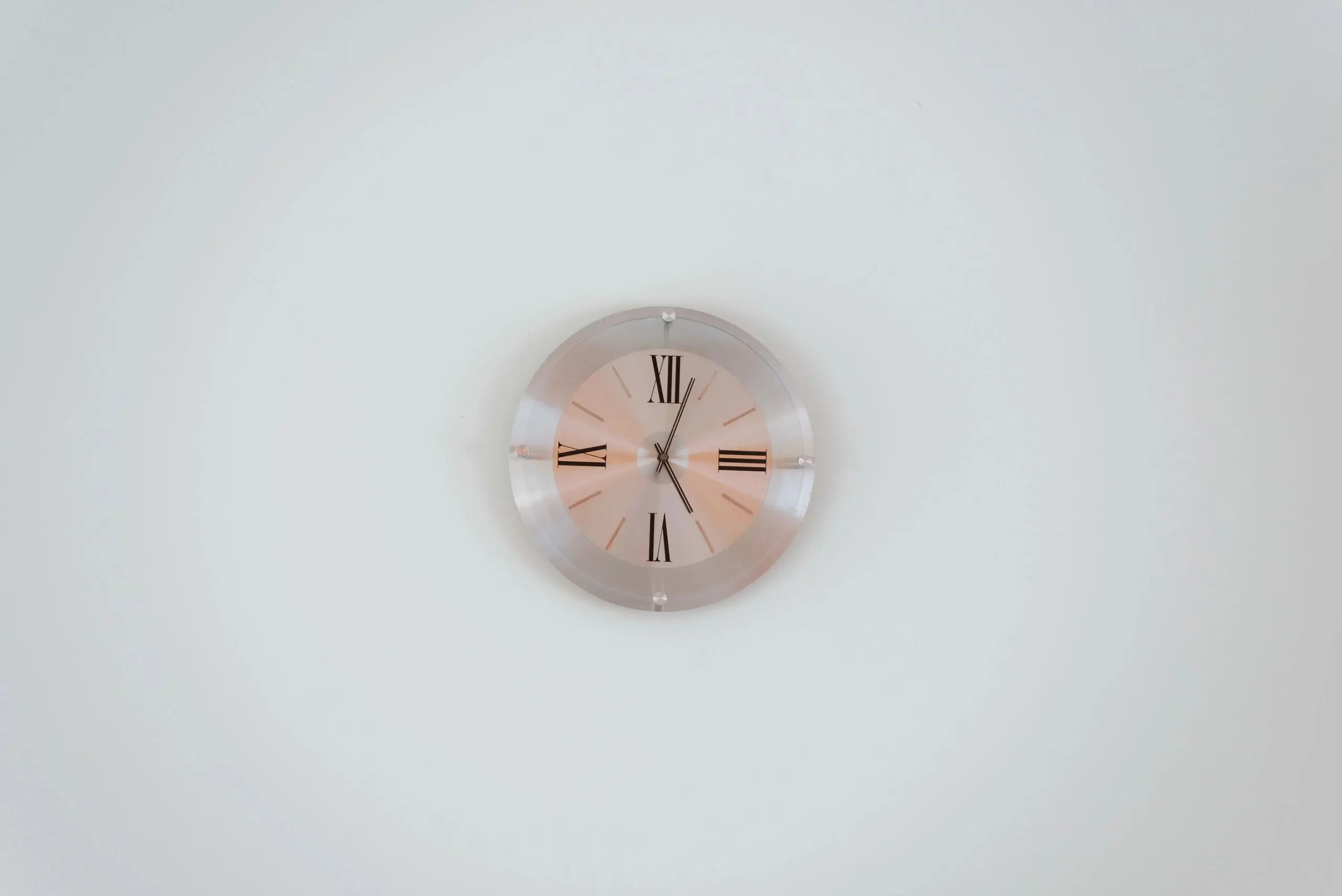
What Time Is It? Key TimeZones?
This quick world view helps you compare common regions fast. Time changes with longitude, daylight saving rules, and local laws.
New York Time
Eastern Time often leads business news, markets, and travel schedules across the United States.
Chicago Time
Central Time covers a large part of the country and supports work, shipping, and sports schedules.

Denver Time
Mountain Time is useful for western travel plans and remote team meetings.

Los Angeles Time
Pacific Time matters for tech, media, streaming, and online customer support.
London Time
Greenwich and British time zones help connect Europe, finance, and global flights.
Tokyo Time
Japan Standard Time is important for Asia markets, gaming releases, and international business.
Time Zones
How Global Time Works
People ask what time is it for many reasons. They may plan a call, catch a flight, watch a game, or shop online. Time zones divide the world into standard regions. Each region follows a set hour offset from Coordinated Universal Time, often called UTC. When you know UTC, you can compare cities more easily. New York may be UTC-5 in winter. London may be UTC+0 in winter. Tokyo stays at UTC+9 all year. These offsets help you understand the clock anywhere.
A simple way to think about time zones
is to picture the Earth turning. As the planet rotates, sunlight reaches each region at a different moment. That is why morning starts earlier in some places and later in others. If it is breakfast time in California, it may already be evening in Europe. If it is late night in the United States, it may be midday in Australia. This is why the question what time is it matters every day. It helps families, workers, students, and travelers stay on track.
If you ask what time is it during a DST change week, double check the city. The United States uses daylight saving time in most states. Europe also uses seasonal clock changes in many countries. Yet some places do not change at all. Arizona does not follow DST in most areas. Hawaii does not use it. Many countries near the equator skip it too. They get similar daylight year round.
This is why world time can feel confusing.
New York may be one offset today and another later. London may change on a different date. Sydney may be in the opposite season. That means the gap between cities can change more than once each year. A call between Los Angeles and Berlin may be nine hours apart one week. It may be eight hours apart another week. Small changes can cause big mistakes.
Travelers should pay close attention. Airline tickets show local departure and arrival times. Hotel check in times also follow local clocks. If you land during a DST weekend, your body clock may already feel off. Then the local clock changes too. That can make jet lag feel worse. It helps to review your route before you leave. Save local times on your phone. Set alerts for flights, rides, and meetings.
North America
The United States has several major time zones. Eastern Time includes New York, Atlanta, and Miami. Central Time includes Chicago, Dallas, and Houston. Mountain Time includes Denver and Phoenix, though Arizona follows special daylight rules. Pacific Time includes Los Angeles, Seattle, and San Francisco. Alaska and Hawaii also use their own time zones. If you ask what time is it in the United States, the answer depends on the state and season.
Europe and Africa
London, Dublin, and Lisbon often align closely with UTC. Paris, Rome, Berlin, and Madrid usually run one hour ahead of London. Eastern Europe moves farther ahead. Cities like Athens and Bucharest are often two hours ahead of London. In Africa, time zones vary by region. Cairo, Lagos, Nairobi, and Cape Town may all show different local times. This matters for flights, trade, and news updates.
Asia and Oceania
Asia covers a wide span of time zones. Dubai, Karachi, Delhi, Bangkok, Beijing, Seoul, and Tokyo all run on different clocks. India uses one national time zone, which helps simplify local scheduling. Australia also spans multiple zones. Sydney, Melbourne, Brisbane, Adelaide, Perth, and Darwin may not match. New Zealand is usually ahead of Australia. If you work with global teams, this region needs close attention.
Daylight Saving Time
Daylight saving time can change the answer to what time is it. Some places move clocks forward in spring and back in fall. Others never change. This can create confusion for a few weeks each year. A meeting that worked last month may shift by one hour today. Always check local rules before booking travel, live events, or online meetings. That habit saves time and avoids missed calls.
Many people call it DST for short. The idea is simple. Clocks shift to use more evening daylight. In many places, clocks move ahead by one hour in spring. They move back by one hour in fall. That sounds easy, but real life gets messy fast. Sleep schedules change. School mornings feel darker. TV times can shift. Flight times may look strange. Work calls can move without warning.
Parents and students notice DST as well
Morning routines can feel harder after the spring shift. Kids may seem tired for a few days. Bedtime can also feel later because the sun stays out longer. In fall, mornings may feel easier at first. Even so, the early sunset can affect mood and after school plans. A simple plan helps. Move bedtime in small steps. Keep screens low before sleep. Get morning light when possible.

Businesses also need to stay alert. Online stores, banks, and customer support teams often serve people in many regions. A missed hour can hurt sales or service. If you run meetings across time zones, use a trusted world clock. Confirm times in writing. Include the city name, not only the hour. Saying 3:00 PM is not enough. Saying 3:00 PM Chicago time is much clearer. That small detail prevents confusion.
Technology helps, but it is not perfect. Phones and computers usually update time settings on their own. Still, users can turn off automatic updates by mistake. Some smart devices may lag behind. Wall clocks and kitchen clocks need manual changes. Car clocks often need updates too. Before a busy week starts, check every important device. This is a smart habit if you rely on alarms, reminders, or timed home routines.
DST Should Continue?
There is also debate about whether DST should continue. Some people like brighter evenings. They enjoy more daylight after work or school. Others dislike the sleep disruption. They feel the clock change causes stress and confusion. Health experts often discuss the effect on sleep, focus, and safety. Lawmakers in some places have proposed changes. Rules can shift over time. That is another reason to verify local time before making plans.
If you use this page to answer what time is it, remember one key rule. Check the city, the date, and the season together. Time is not only about the clock face. It is also about local policy. A city can follow one rule this year and another later. For more planning help, visit our Weather Today page before a trip. You can also explore USA Maps Top Destinations for travel ideas.
If you are comparing schedules, our tools can help you stay organized. Visit the Calculators hub for planning tools. Check the Flesch Kincaid Calculator if you write guides for readers. If you want more useful online resources, browse more pages on AffiliatedLinking. Clear timing leads to better choices. Better choices save time, money, and stress. Keep this page handy whenever world clocks start to shift.
Next Step
Need More Helpful Guides?
Check our tools, weather pages, and buying guides to plan smarter days. Visit Weather Today, USA Maps Top Destinations, Calculators, and Contact Us for more useful resources.
