Weather Today
Severe Thunderstorm Warning and Weather Radar Guide
Learn how a severe thunderstorm warning works, how to read weather radar, and what steps to take to stay safe at home, at work, and on the road.
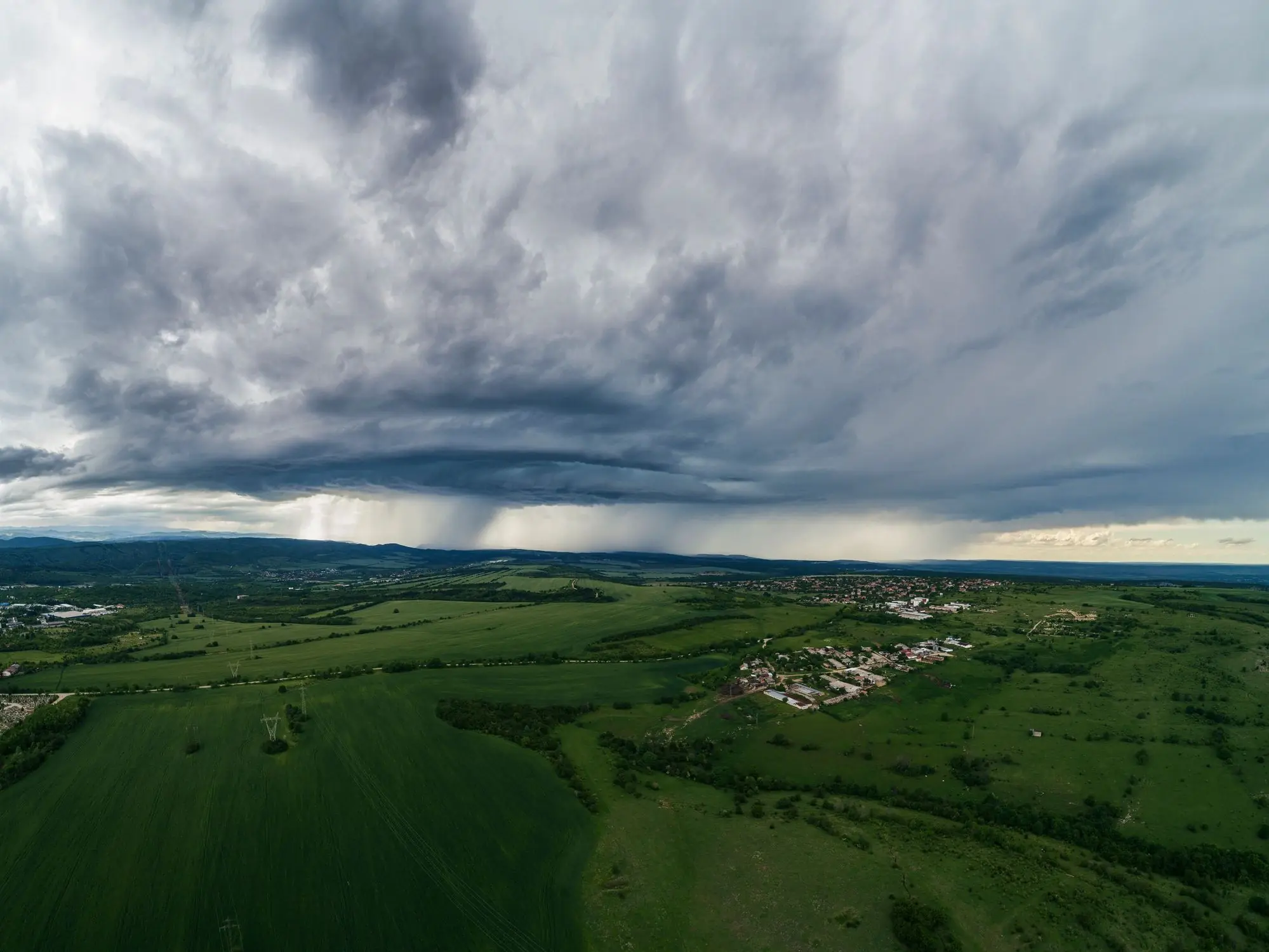
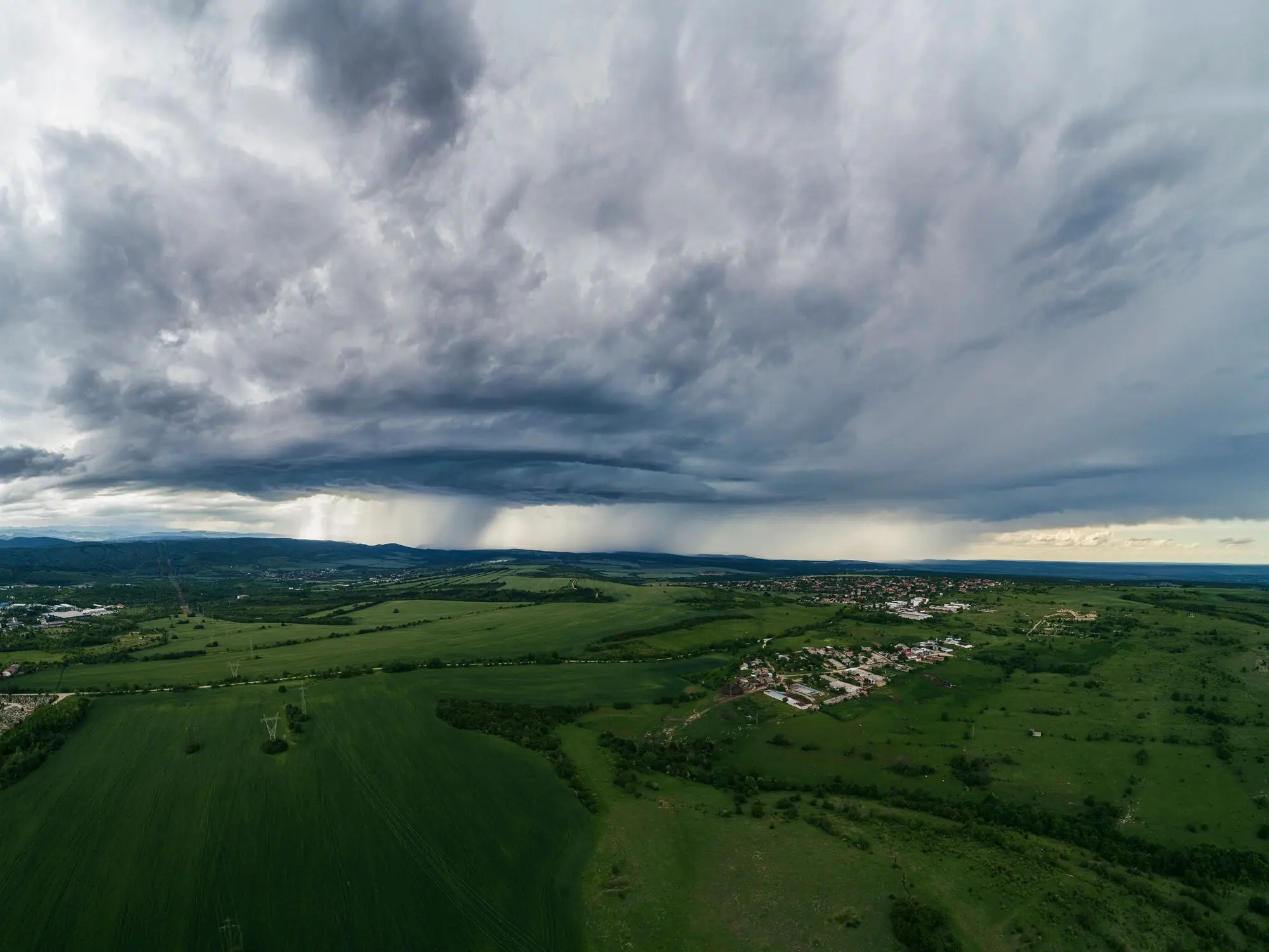


What a Warning Means
A severe thunderstorm warning means a storm is happening now or is expected very soon in your area. This is different from a watch. A watch means conditions are possible. A warning means you should act. Many people confuse the two, but the difference matters. When a warning is issued, it is time to move indoors, check trusted updates, and avoid travel if possible. Strong storms can bring damaging wind, large hail, heavy rain, flash flooding, and dangerous lightning. In some cases, they can also produce tornadoes.
One of the best tools for tracking fast-moving storms is weather radar. Radar helps show where rain and storms are located, how they are moving, and how strong they may be. While radar does not tell the whole story, it gives a quick picture that can help families make smart choices. If you see a warning on your phone, local news, or weather app, compare it with radar and follow local emergency guidance right away. Quick action can reduce risk and protect lives.
Storm Basics
How to Read Weather Radar
Weather radar uses radio waves to detect rain, snow, hail, and storm movement. On many maps, green often shows light rain, yellow shows moderate rain, and red or purple may point to stronger storms. Colors can vary by app, so always check the legend. The most important thing is to look at the shape, size, and direction of the storm. If a storm cell is moving toward your town, do not wait until the sky looks bad outside. By the time thunder is close, the danger may already be near.
Radar is most useful when you check it more than once. A single image is only a snapshot. A loop or animation shows movement over time. This helps you see if a storm is growing, weakening, or changing direction. If you notice a line of storms forming, or a bright red core moving closer, that can be a sign to prepare. Some apps also show lightning strikes, hail markers, and warning boxes. These layers can help, but they should support—not replace—official alerts from the National Weather Service and local emergency agencies.
A severe thunderstorm warning is your signal to act, and weather radar is one of the best tools to help you understand what may happen next.
Weather Today Guide
People often check radar only when the storm is already overhead. A better habit is to look early, especially during warm and humid days when storms can build fast. If you live in an area that often gets summer storms, save a trusted radar app on your phone and turn on emergency alerts. Keep your device charged and know where you will go if a warning is issued. Good planning makes it easier to stay calm when weather changes quickly. Reading radar does not require expert training. With a little practice, anyone can learn the basics and use that knowledge to make safer choices.
Signs of a Dangerous Storm
A dangerous storm may bring a dark sky, fast-rising wind, sharp temperature changes, loud thunder, or sudden heavy rain. Still, not every threat is easy to see from your window. That is why alerts and weather radar matter so much. Some storms arrive after dark, and others move in behind low clouds that hide their strength. If a severe thunderstorm warning is active, do not rely only on what you can see outside. Use trusted weather information and take action early. Bring pets indoors, move away from windows, and secure outdoor items that could blow away. If you are driving, consider stopping at a safe indoor location until the storm passes. Lightning can strike far from the center of the storm, so even light rain can still be dangerous.
Safety Steps at Home
When a severe thunderstorm warning is issued, the safest place is inside a sturdy building. Stay away from windows and glass doors. Unplug sensitive electronics if time allows, or use surge protection to reduce damage from power spikes. Avoid showers, sinks, and corded devices during lightning. Keep flashlights, water, medicine, and a battery-powered weather radio in one easy-to-reach place. If your area often loses power, make sure phones and backup batteries are charged before storms arrive. Families should also pick a meeting spot and review a simple plan so everyone knows what to do. These steps may seem small, but they can make a big difference during a fast-moving storm.
Safety on the Road
Storms can be even more dangerous when you are driving. Heavy rain can reduce visibility in seconds. Strong wind can push vehicles across lanes, and water on the road can cause hydroplaning. If you see a severe thunderstorm warning on your phone, check weather radar only when you are safely parked. Never try to study a map while driving. If conditions get bad, slow down, turn on headlights, and pull into a safe covered area if possible. Avoid parking under weak trees or power lines. Never drive through flooded roads. Water may be deeper or moving faster than it looks. A small amount of moving water can carry away a vehicle. The best choice is often to wait the storm out in a safe place.
Why Alerts Matter
Weather apps, local news, smart speakers, and wireless emergency alerts all play a role in storm safety. No single source is perfect, so it helps to use more than one. A good setup includes phone alerts, a trusted local station, and a reliable weather radar app. This gives you both the official warning and a visual map of the storm. If internet service goes down, a battery-powered radio can still provide updates. Parents, schools, and workplaces should review alert settings often so they do not miss urgent notices. A severe thunderstorm warning can be short, and every minute counts. The sooner you know, the sooner you can act.
Planning Ahead
Build a Simple Storm Plan
A simple storm plan should include where to go, who to contact, and what supplies to keep ready. Write down emergency numbers, charge backup batteries, and keep shoes, flashlights, and basic first aid items in one spot. If you care for children, older adults, or pets, think through their needs before storm season begins. Review your plan every few months. The goal is not to create fear. The goal is to make smart choices easier when a severe thunderstorm warning appears and time is short. Planning ahead also helps you use weather radar more effectively because you already know what actions to take when you see a storm moving closer.

Weather Radar for Families
Families do not need advanced weather training to use radar well. Start by learning your town on the map. Then watch how storms move across nearby roads, rivers, and counties. Teach older children the difference between a watch and a warning. Show them where to go in the house and how to respond calmly. If your family travels often, check radar before long drives, outdoor sports, or weekend trips. This habit can help you avoid delays and reduce risk. Over time, using weather radar becomes a normal part of planning, much like checking traffic before leaving home.
Common Mistakes to Avoid
Many people make the mistake of waiting too long. They hear thunder and think they still have time. Others ignore alerts because the sky looks calm where they are. Another common mistake is checking too many social posts and not enough official sources. Rumors spread fast during storms. Instead, trust local emergency managers, the National Weather Service, and reliable radar tools. Do not stand on porches to watch lightning. Don’t shelter under trees. Do not use flooded roads as shortcuts. And do not assume a storm is weak just because it moves quickly. Fast storms can still cause major damage. A severe thunderstorm warning should always be treated seriously.
Stay Ready for Storms
Use trusted alerts, follow weather radar, and respond quickly when a severe thunderstorm warning is issued. A few simple habits can help protect your family, home, and travel plans.
