VPN and Why It Matters
Your Digital Shield: What Is a VPN and Why It Matters More Than Ever
Every time you connect to the internet, use a Virtual Private Network-VP N so when you log in to your office from a coffee shop abroad, your data is vulnerable without VPN protection. Cyber threats are no longer just for tech experts; they impact everyday users through unsecured Wi-Fi, data tracking, and targeted attacks. That’s where a Virtual Private Network (VPN), such as NordVPN, comes in. A VPN encrypts your online traffic and routes it through a secure server, masking your real IP address and protecting your digital footprint from prying eyes.
In today’s hyper-connected world, online privacy isn’t optional. A VPN does more than just hide your location; it safeguards sensitive information like passwords, financial details, and personal messages from hackers, advertisers, and even internet service providers tracking your activity.
You’ll learn how top VPN, such as NORDVPN, strengthen security on public networks, bypass regional content restrictions, and prevent bandwidth throttling, all while maintaining fast and stable connections. Whether you’re shopping online, accessing work systems remotely, or simply browsing from your home, a reliable VPN is a foundational layer of digital defense.
By the end of this guide, you’ll understand the core benefits of using a VPN and how it can solve real-world problems like restricted streaming access, insecure connections, and location-based pricing giving you greater control over how, where, and when you go online.
Take a look at our Partner NordVPN
Witopia VPN
7 Key Benefits of Using a VPN You Can’t Afford to Ignore
- Enhanced Privacy from ISPs and Trackers
Virtual Private Internet Access as a vp n and a protected IP Address. - When you connect online, your internet service provider (ISP) can monitor your browsing activity. A Virtual Private Network (VPN) encrypts your data and masks your IP address, making it significantly harder for ISPs, advertisers, and tracking scripts to profile your behavior. This is especially important where local internet providers may collect and even sell anonymized user data.
- Secure Public Wi-Fi Connections
Using public Wi-Fi at cafes, airports, or libraries leaves your device vulnerable to man-in-the-middle attacks. A reliable VPN secures your connection with military-grade encryption, ensuring sensitive actions like online banking or accessing work files are protected from eavesdroppers on shared networks. - Access to Geo-Blocked Content
Many streaming platforms, news sites, and educational portals restrict content based on location. By connecting to a server in another country, a VPN allows you to bypass Geo-restrictions and access international libraries, live sports events, or region-specific resources as if you were browsing locally.
Bandwidth Throttling? Use a VPN
- Avoid Bandwidth Throttling
Some ISPs throttle (intentionally slow down) your internet speed when they detect high-bandwidth activities like streaming or gaming. With a VPN, your traffic is encrypted, making it invisible to the ISP, helping you maintain consistent speeds for uninterrupted performance. - Safer Remote Work and File Sharing
For freelancers, remote employees, and small business owners, a VPN, Virtual Private Internet Access with a vp n and a protected IP Address provide a secure tunnel for transmitting documents and accessing internal systems. Whether you’re working from a home office or traveling, it minimizes the risk of data leaks during transfers. - Anonymity During Sensitive Searches
Whether researching health topics, financial services, or local regulations, a VPN ensures your search behavior remains private from network administrators, government surveillance, or third-party monitoring. Your digital footprint becomes far less traceable. - Bypass Internet Censorship
In areas with restrictive online policies, whether at a public institution or in travel destinations, a VPN helps you access uncensored information. This is invaluable for students, journalists, and global travelers who need reliable access to open internet resources.
Can You Trust Your Connection? VPN Questions Answered
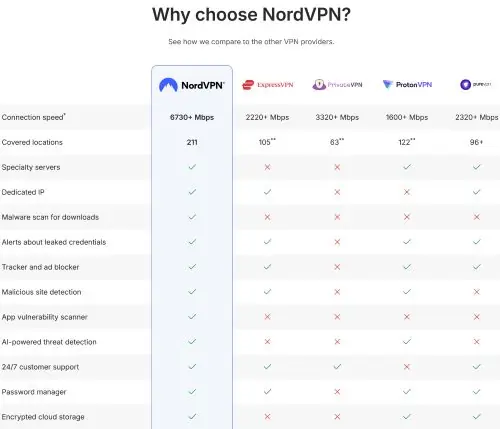
NordVPN Reviews and top VPN of 2026
Is using a VPN legal?
Yes, in most countries, including the U.S., using a VPN, which some people call a Virtual Personal Network when it is actually a Virtual Private Network, is completely legal for personal use. However, engaging in illegal activities—such as hacking, fraud, or downloading copyrighted material—remains prohibited regardless of whether you’re using a VPN. It’s important to understand that a VPN encrypts your traffic and hides your IP address, but it doesn’t grant immunity from cybercrime laws.
Will a VPN slow down my internet speed?
Some speed reduction is typical due to encryption and server distance, but high-quality VPNs minimize this impact. Choosing a server closer to your physical location can significantly improve performance. Many modern services use optimized protocols to maintain fast streaming, gaming, and browsing speeds.
Can I use a VPN on all my devices?
Most reputable providers support multiple platforms, including Windows, macOS, iOS, Android, and Linux. You can typically secure smart TVs, routers, and gaming consoles as well. Look for apps that offer easy setup and background encryption without draining battery life.
Do free VPNs offer the same protection as paid ones?
Free services often come with data caps, slower speeds, and weaker security. Some even sell user data to third parties, defeating the purpose of privacy. For reliable encryption, no-logs policies, and consistent uptime, a subscription-based service is strongly advised.
Does a VPN work on public Wi-Fi in coffee shops or airports?
It should be used. Public networks are prime targets for hackers. A VPN shields your data from eavesdropping, keeping login credentials and financial information secure whether you’re at a café or International Airport.
How a VPN Protects You in Everyday Situations
From working remotely to booking flights or managing finances on the go, a Virtual Private Network (VPN) plays a critical role in securing your digital life. In today’s connected world, public Wi-Fi networks in places like coffee shops, airports, and hotels are common spots in cities that are hotspots for cyber threats. A VPN encrypts your internet connection, ensuring your personal data stays private whether you’re checking email on a park bench or uploading files from a hotel lobby.
Working Remote: Use a VPN is a must
Remote workers benefit significantly by using a VPN to securely access company systems and cloud-based tools. It masks your real IP address, making it harder for attackers to target your device, especially when connecting from unsecured networks. Travelers also gain peace of mind; a reliable VPN lets you bypass Geo-restrictions, so you can access your favorite streaming platforms or online banking services as if you were at home.
When shopping online, a VPN adds a layer of protection against data tracking and price discrimination. Some retailers adjust prices based on location—using a VPN helps maintain consistent pricing by letting you appear in different regions. Plus, it blocks snoopers from intercepting login credentials or payment details during transactions.
For maximum security:
- Always enable your VPN before connecting to public Wi-Fi
- Choose servers close to your physical location for better speeds
- Use strong encryption protocols like Open VPN or WireGuard
Stay protected wherever life takes you. Your privacy shouldn’t depend on your location.
Secure Your Digital Life: The Essential Role of VPNs
In today’s interconnected world, protecting your online presence isn’t optional; it’s essential. Whether you’re checking email on public Wi-Fi, handling sensitive work documents remotely, or simply browsing from home, a Virtual Private Network (VPN) acts as a critical layer of defense. By encrypting your internet traffic and masking your IP address, a VPN ensures that your personal data, login credentials, and browsing habits stay private from prying eyes. This is especially vital for remote workers, freelancers, and anyone managing online accounts across multiple platforms.

Beyond security, a well-configured VPN, with virtual private network service providers, such as NORD VP N, enhances online freedom. It allows users to bypass regional restrictions, access location-specific content, and maintain consistent service availability while traveling. For households and professionals alike, it supports seamless streaming, secure online shopping, and reliable access to cloud-based tools.
Key benefits include:
- Encrypted connections that shield data on unsecured networks
- Anonymized browsing to reduce tracking from advertisers and third parties
- Geo-spoofing capabilities to access regional services as needed
- Protection for multiple devices, from smartphones to home routers
Integrating a VPN into your daily routine is no longer a tech enthusiast’s luxury it’s a practical necessity for maintaining privacy, security, and performance in both personal and professional digital spaces.