Stock Market Daytrader
Stock Market Daytrader Guide
Learn how a stock market simulator can help every daytrader build skill, test ideas, and practice smart habits before risking real money.


Trading Basics
How a Daytrader Learns
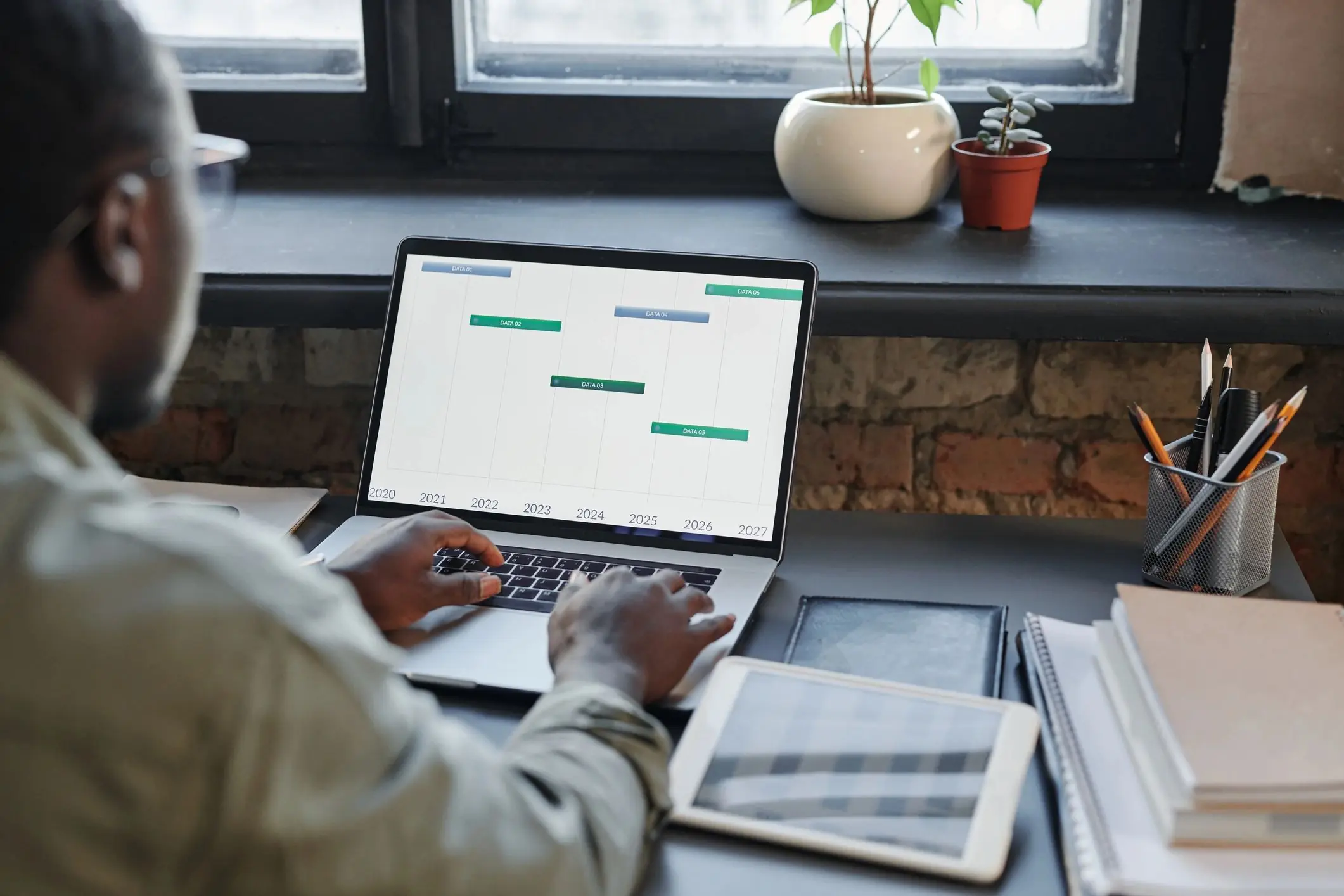
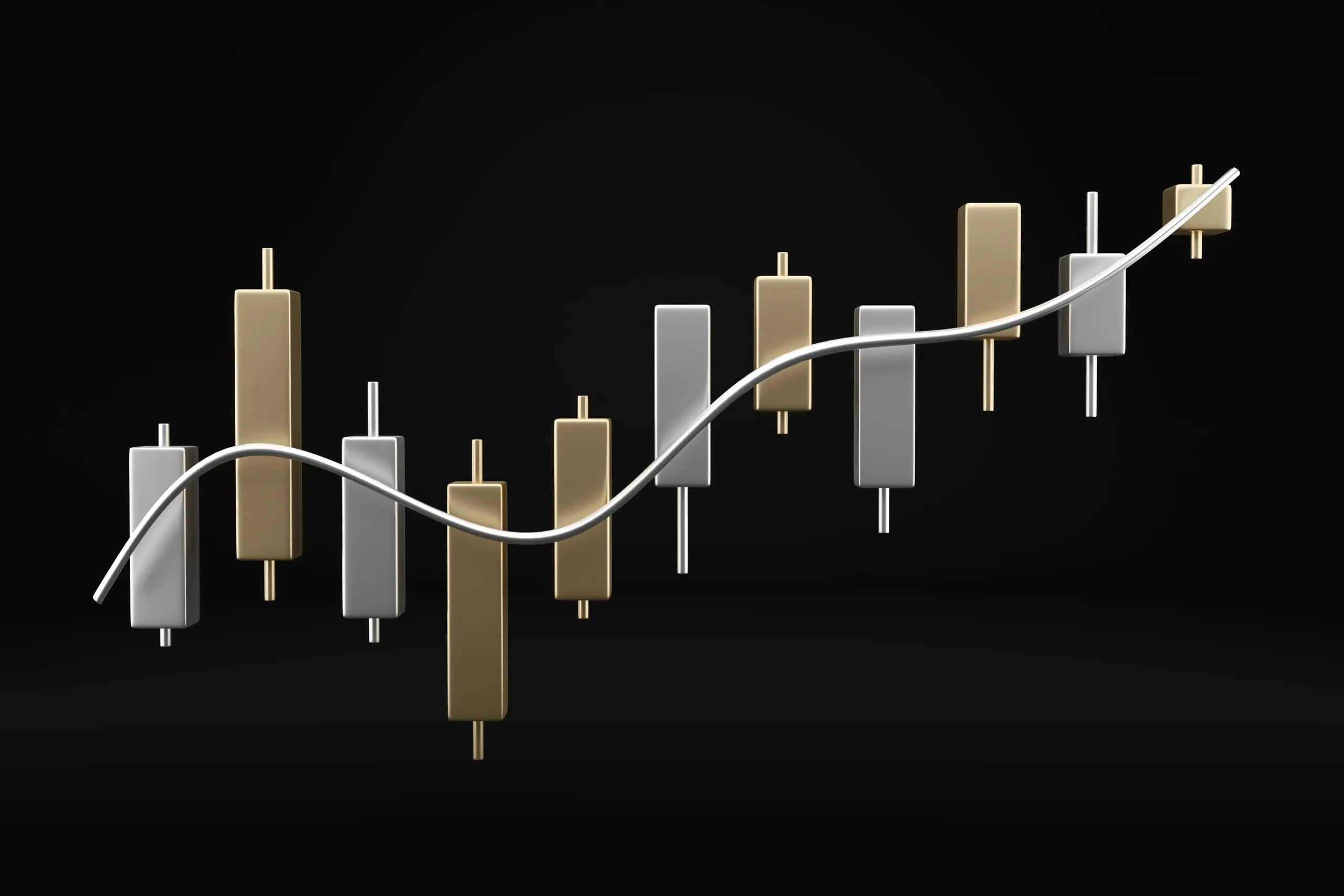
A daytrader tries to open and close trades within the same day. The goal is to capture short price moves instead of holding a stock for months or years. Simple? But it takes focus and structure. A trader must watch price action, volume, news, and market mood. Traders must know when to stay out. One of the mistakes beginners make is trading every move they see. A better path is to wait for a setup that matches a clear plan. Stock market simulator helps build that habit because it lets you practice selective trading instead of random clicking. A strong routine often starts before the market opens. Traders scan for stocks with news, strong volume, or unusual price movement. They make a watch list and mark key levels. Then they wait for the market to confirm the move. This process helps reduce emotional trades. It also gives the daytrader a reason for every entry. If the setup doesn’t appear, the trader does nothing. That may feel boring, but patience is part of the job. In many cases, best trade is the one you skip. Another key lesson is that losses are normal. Even skilled traders have losing trades. What matters is how they manage them. A stock market simulator helps traders practice cutting losses early and protecting gains. It teaches that one trade should never control your whole day. Small losses are easier to recover from than large ones. This is why many traders use stop losses and daily limits. They know that survival comes first. Reading charts also becomes easier with practice. A beginner may see random lines, but a trained eye sees support, resistance, trend direction, and momentum shifts. These ideas are not magic. They are tools for reading behavior in the market.
Start With Practice
A stock market simulator gives new traders a safe place to learn. It lets you follow price moves, place trades, and review results without putting real cash on the line. That matters because many beginners jump into the market too fast. They see a quick move, buy on emotion, and then panic when the price turns. Practice helps slow that cycle down. A good simulator teaches timing, patience, and discipline. It also helps a daytrader understand how fast the market can change during the trading day. When you practice often, you start to notice patterns in volume, momentum, and price action. You also learn that not every setup is worth taking. That lesson alone can save money later. Many people think trading is only about picking the right stock. In truth, success often comes from having a plan and following it. A simulator helps you build that plan. You can test entry points, stop losses, and profit targets. Can you compare a fast trade to a slower setup. You can also see how news, market open, and afternoon pullbacks affect price movement. These lessons are easier to understand when you can review them without pressure. For a beginner, that makes a simulator one of the best tools to use before live trading.
Stock Market Simulator
A smart daytrader also uses practice time to learn risk control. If you risk too much on one trade, one bad move can wipe out several good ones. That is why many traders focus on position size, daily loss limits, and simple rules. A stock market simulator makes it easier to test those rules in real market conditions. You can trade the open, wait for a breakout, or practice buying a pullback. Then you can study what worked and what failed. Over time, you build a process that is more steady and less emotional. This page is designed to help readers understand the basics in plain language. The goal is not to promise fast profits. The goal is to explain how practice, planning, and review can help a trader improve. If you want to become a better daytrader, start by learning the market, tracking your trades, and using tools that support smart decisions. A simulator is a strong first step because it helps turn guesswork into a repeatable routine.
Daytrader: Are you looking for that perfect stock?
A daytrader may look for a breakout above resistance, a pullback into support, or a strong move after the open. Simulators let you test each style and find what fits your pace and mindset. It is also important to understand that trading is not the same as investing. Long-term investors may hold through market swings because they believe in future growth. A daytrader works on a much shorter clock. That means speed matters, but so does control. Don’t rush; you can make poor decisions. If you freeze, you can miss your exit. Practice helps improve both timing and confidence. Many traders keep a journal after each session. They write down the stock, setup, entry, exit, result, and lesson learned. This habit turns each trade into feedback. Over time, the journal shows patterns. Maybe you trade better in the first hour. You may do worse when you chase fast movers. Maybe your best setups come from simple breakouts. A stock market simulator works well with journaling; it gives you many examples to review without real financial damage. Technology also matters. A trader needs a reliable platform, clear charts, and fast order entry. But tools alone do not create success. Good habits matter more. A simple setup with a clear plan often beats a fancy screen full of indicators. For many beginners, less is better. Focus on a few stocks, a few setups, and a few rules. Then build from there. One more thing to remember is the market does not owe anyone a win. It rewards preparation more than hope. That is why practice matters. A stock market simulator gives you room to learn, make mistakes, and improve. It helps you build mindset needed for real trading. For any new daytrader, that is a smart place to begin.
Improve your Daytrading by studying the stock market
If you want to improve faster, keep your process simple. Pick one or two setups and study them every day. Watch how they behave at the open, during pullbacks, and near key price levels. Use your simulator to repeat the same process again and again. Repetition builds confidence. Confidence supports discipline. Discipline helps protect your account. You should also pay attention to your emotions. Excitement, fear, and frustration can all affect decisions. A daytrader who feels pressure may enter too early or hold too long. Practice helps reduce that pressure because it creates familiarity. When you have seen a setup many times, you are less likely to react in panic. That makes your decisions more calm and more consistent.
The best first trade is often a practice trade. Learn the process before you risk real money.
AffiliatedLinking
In the end, trading skill grows through study, repetition, and honest review. A stock market simulator is not just for beginners. It can also help experienced traders test new ideas, adjust strategies, and stay sharp. Whether you are curious about charts or serious about becoming a daytrader, practice gives you a better foundation. Start small, stay patient, and focus on learning one solid step at a time.
Next Step
Practice Before You Trade
Use the tools on AffiliatedLinking to compare ideas, review numbers, and build a smarter trading routine before making your next move.
