3D Printing
Rapid Prototyping 3D Printing Guide
Learn how rapid prototyping 3d printing works, why crystal PLA matters, and which tools help you print better parts at home or work.
What Rapid Prototyping Means
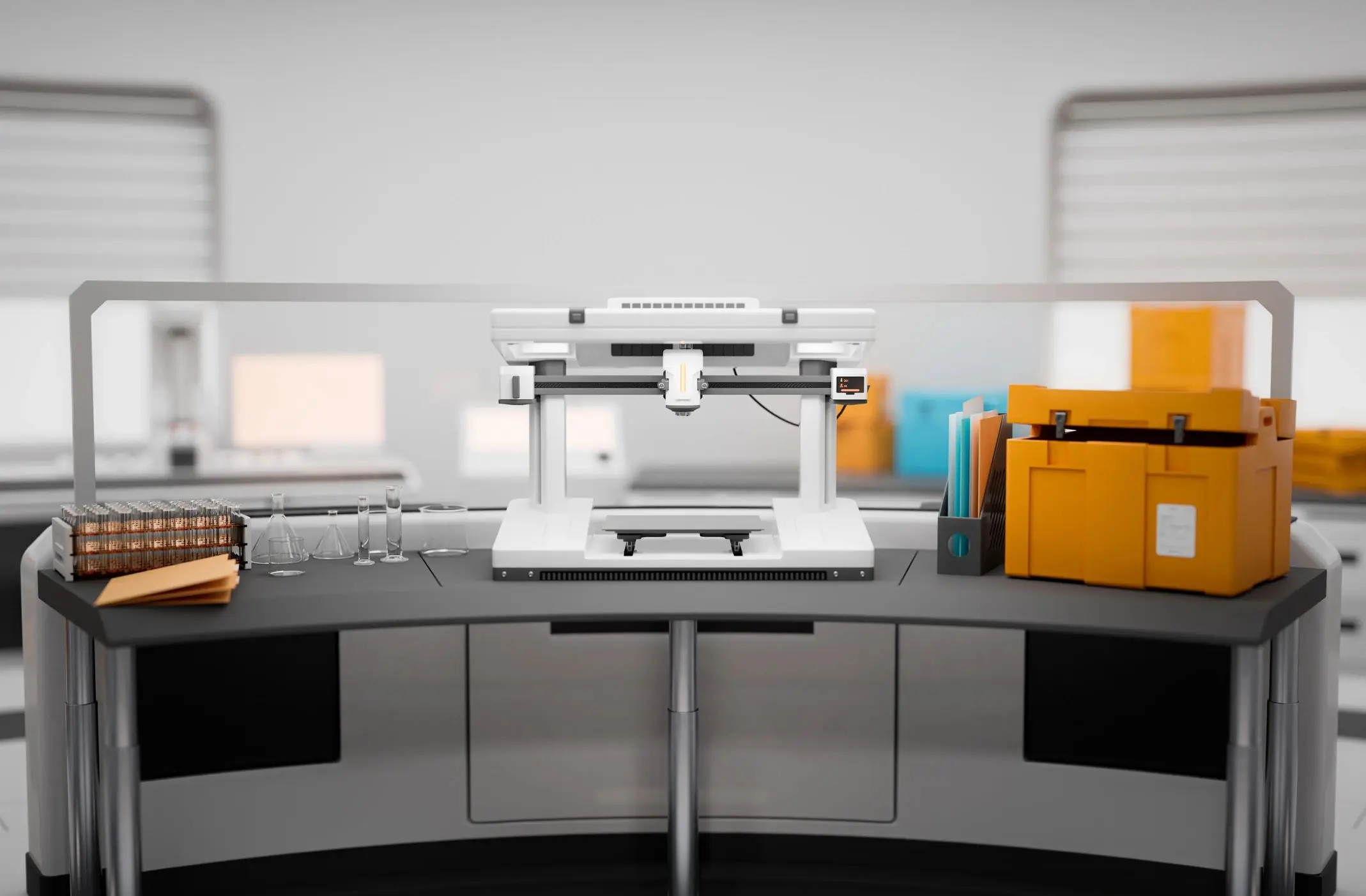
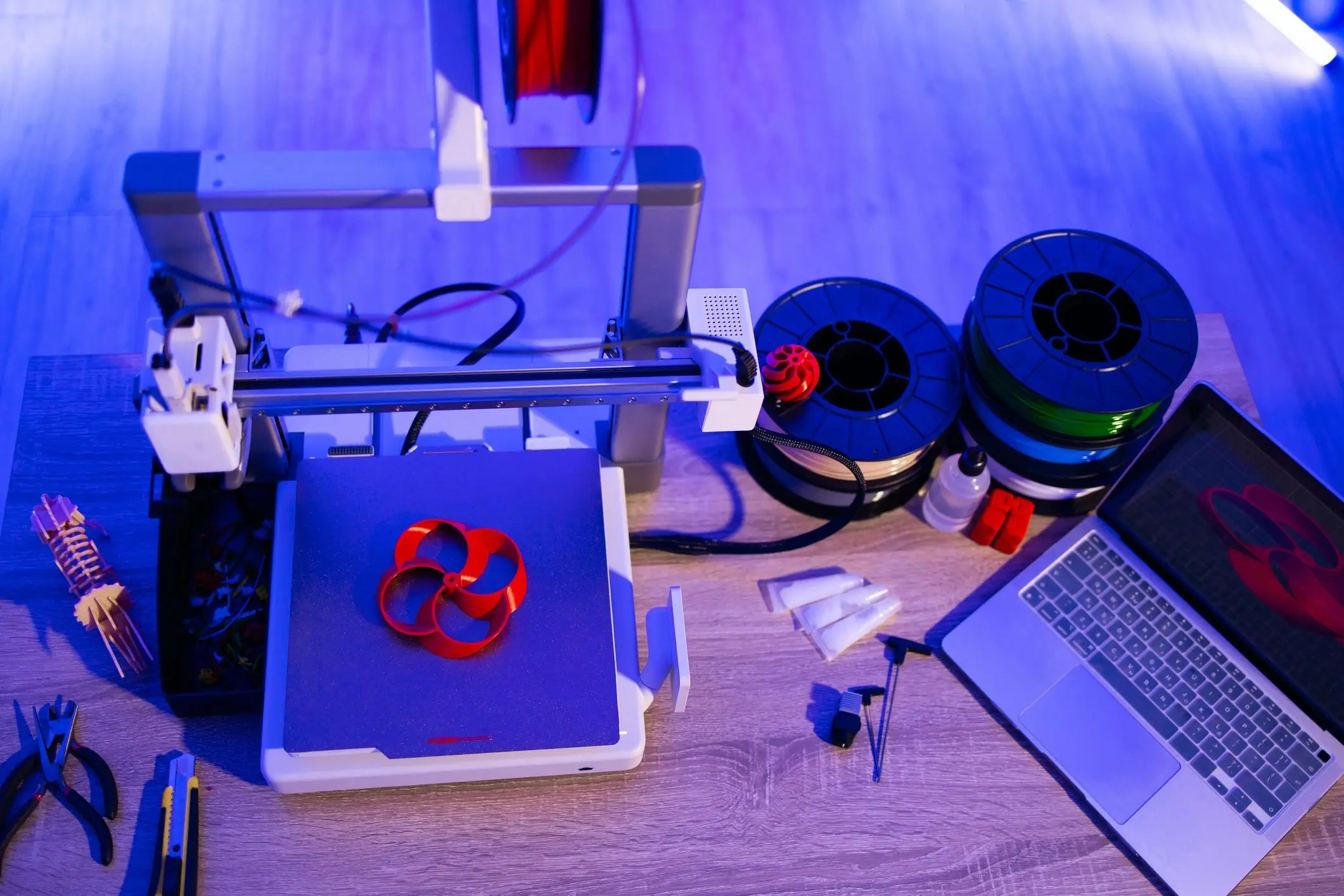
Rapid prototyping 3d printing helps people turn ideas into real parts fast. A digital file becomes a test model in hours, not weeks. That speed helps hobby users, students, and product teams learn faster. You can hold a part, test the fit, and spot design problems early. That saves time, money, and stress. Many buyers start with simple tools, then upgrade as projects grow. If you want smart gear picks, visit Amazon Categories and explore more product guides.
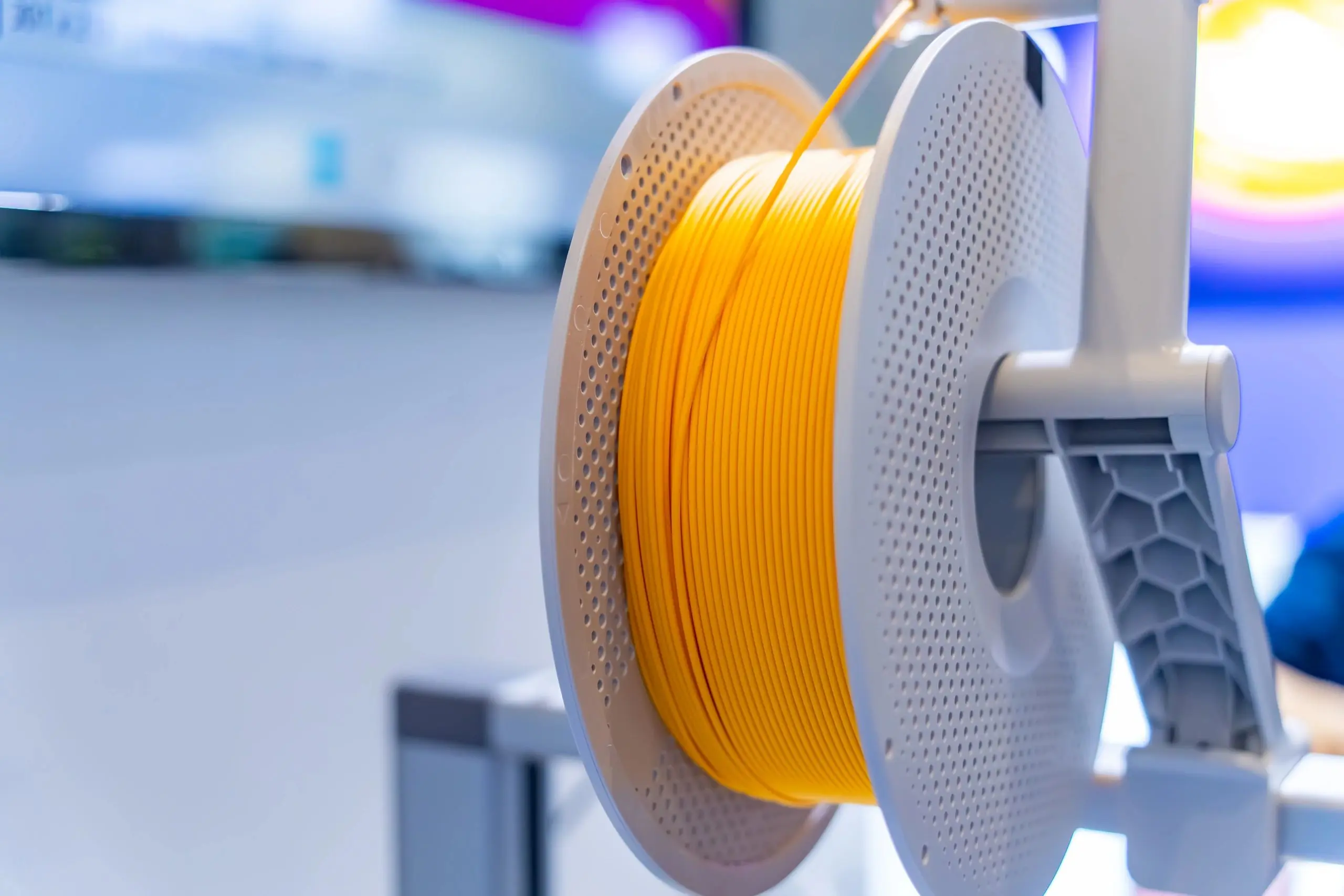
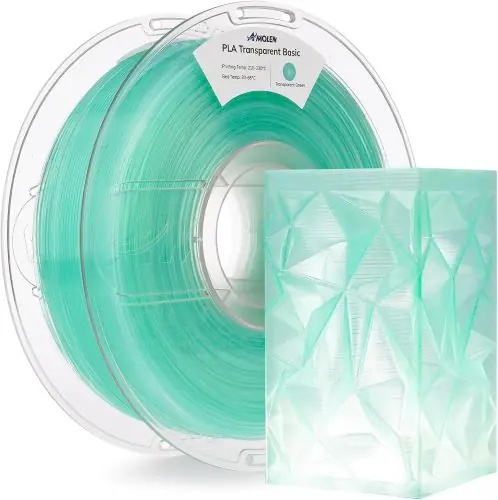
Crystal PLA is a popular filament for clean looking prints. It can create bright, glossy, and semi-clear parts when settings are dialed in well. Many users like it for display pieces, light covers, and concept models. It is also easier to print than many advanced materials. Still, every filament has strengths and limits. Learning those differences helps you choose the right spool for each job. You can also compare related gear on pages like Tools and Home Improvement and Electronics.
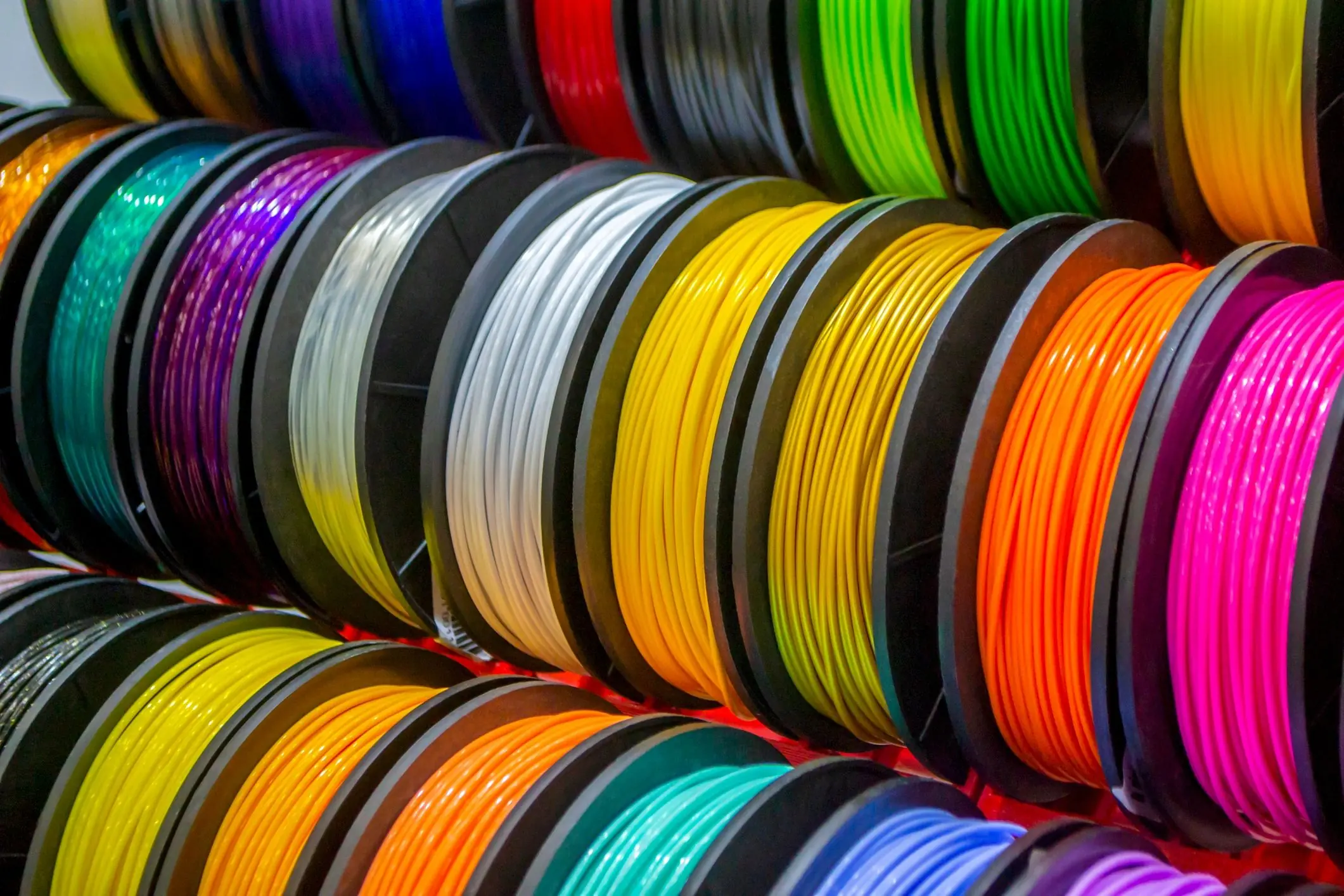
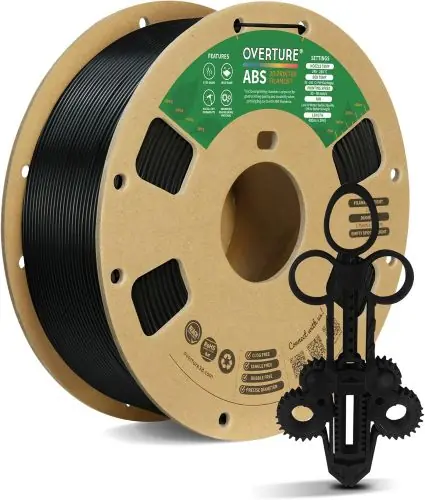
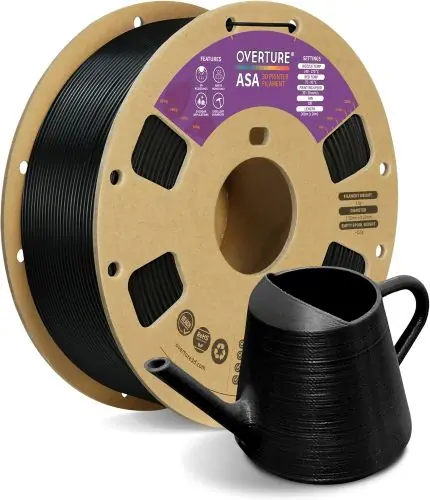
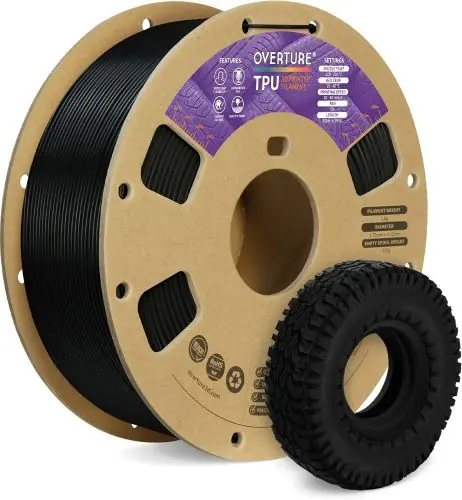
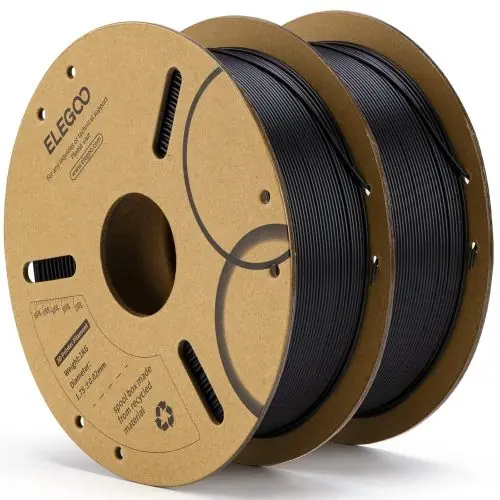
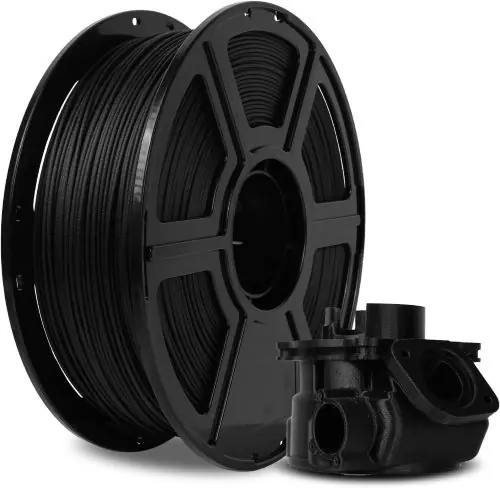
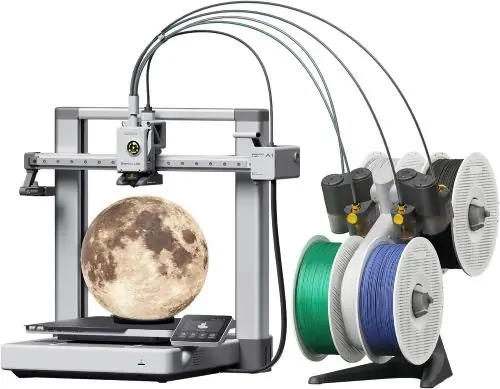
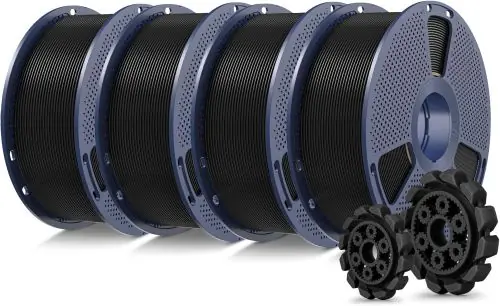
These different filament types come in different colors. Black is just what is shown
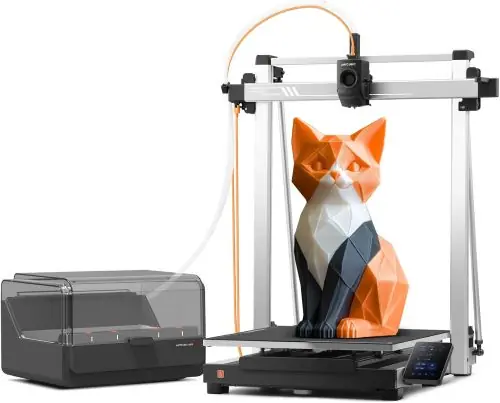
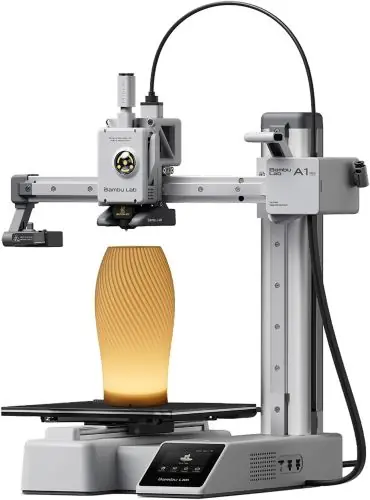
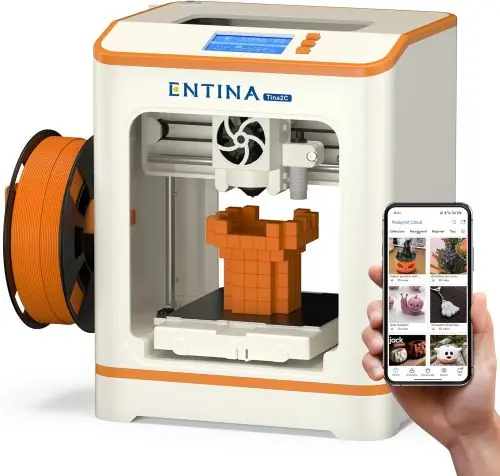
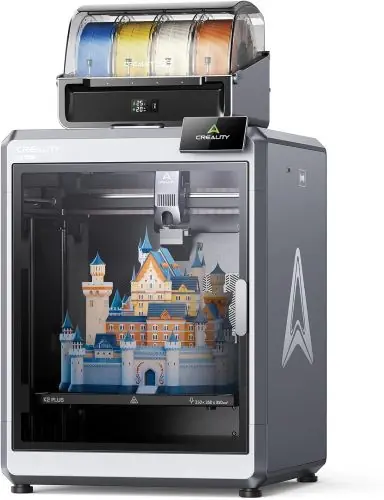
Filaments
Common Filament Types
Different filaments serve different needs. Some are easy to print. Others handle heat, impact, or outdoor use better. Start with the material that matches your goal.
Simple Tips For Better Results
Keep your first prints simple. Start with small test models. Watch the first layer closely. Clean the build plate often. Store crystal PLA in a dry box when possible. Use the recommended print range from the spool maker. Make one change at a time. That helps you learn faster. Rapid prototyping 3d printing becomes easier when you build good habits early. Small steps often lead to the best results.
If you want to keep exploring, visit AffiliatedLinking for more curated product paths. You can also reach out through Contact Us if you want help finding useful tools. Strong buying choices start with clear goals, smart comparisons, and simple testing. That is why crystal PLA and rapid prototyping 3d printing remain popular with new and experienced buyers alike.
PLA And Crystal PLA
PLA is one of the easiest materials for beginners. It prints at lower temperatures and usually warps less. Crystal PLA is chosen for a cleaner, brighter look. It works well for display models, mockups, and light duty parts. It is not the best pick for high heat or heavy stress.
PETG For Tough Parts
PETG offers more strength and flexibility than standard PLA. It also handles moisture better in many cases. Many users choose it for brackets, containers, and utility parts. It can string more than PLA, so tuning matters. Good drying and clean settings improve results.
ABS And ASA
ABS is known for strength and heat resistance. ASA offers similar benefits with better outdoor durability. These materials often need an enclosure because they can warp. They are useful for automotive pieces, shop parts, and outdoor items. Ventilation is important during printing.
TPU And Specialty Blends
TPU is flexible and useful for grips, bumpers, and soft parts. Specialty blends include carbon fiber, wood fill, and glow materials. These can create unique looks or added stiffness. Some blends wear nozzles faster, so hardened parts may help. Always match the filament to the project.
Guide
How 3D Printing Helps Buyers
3D printing builds objects layer by layer from a digital design. That simple idea opens many options for makers and shoppers. You can print test shapes, replacement parts, display items, and custom tools. Rapid prototyping 3d printing is especially useful before buying large production runs. It helps you test size, shape, and function first. That lowers risk and improves decisions.
Many buyers search for printers, filaments, nozzles, build plates, and drying boxes at the same time. A good buying plan starts with your main use. If you want visual prototypes, crystal PLA may be enough. If you need stronger parts, PETG or ABS may fit better. If you want flexible parts, TPU makes more sense. Matching the material to the task keeps costs under control and improves print quality. You can compare more product categories on Amazon Devices and Accessories, Computers and Accessories, and Office and School Products.
The best 3D printing setup is not always the most expensive one. It is the one that matches your goals.
AffiliatedLinking
Before you buy, think about print size, speed, ease of setup, and material support. Also check replacement part costs. A cheap printer can become costly if upgrades pile up fast. Read reviews, compare features, and look for bundles with useful tools. Dry filament, level the bed, and keep settings simple at first. Those habits improve results more than many people expect. When you are ready to explore gear, visit Reviews or Contact Us for more help finding useful resources.
Why Crystal PLA Is Popular
Crystal PLA is popular because it is easy to use and looks clean. Many beginners start here for good reason. It prints at lower temperatures than some other materials. That helps reduce setup stress. It also comes in clear and glossy styles that look sharp in photos. For display parts, concept models, and gift items, crystal PLA often gives a smooth finish. That makes it a smart choice for rapid prototyping 3d printing when looks matter most.
Crystal PLA also works well for buyers who want simple upgrades. You may not need an enclosure. You may not need advanced tuning. That saves time and money. If your goal is testing shape and size, crystal PLA can do the job well. It is also useful for signs, organizers, and light-duty parts. If you want more shopping ideas, visit Amazon Categories or Unique Amazon Finds for related gear and tools.
Common Filaments To Compare
PLA is often the easiest place to start. It is simple, affordable, and widely available. PETG is stronger and handles wear better. ABS can take more heat, but it needs better airflow control. TPU bends and flexes, which helps with grips and soft parts. Nylon is strong, but it can be harder to print. Each material has tradeoffs. That is why rapid prototyping 3d printing works best when you match the filament to the job.
If you are testing a product idea, print the same part in two materials. Compare strength, finish, and fit. That gives you better buying data. It also helps you avoid waste. Crystal PLA may look best for a clear sample. PETG may work better for a tougher sample. TPU may be best for a flexible sample. Buyers who compare materials early often make better long-term choices. You can also explore related office tools on Office and School Products.
Best Uses For Rapid Prototyping 3D Printing
Rapid prototyping 3d printing helps people test ideas fast. That is the main value. You can print a phone stand, bracket, knob, or case in hours. Then you can check fit and function right away. This helps hobby users, students, and small businesses. It also helps buyers who want to test before ordering in bulk. A simple prototype can reveal design flaws early. That saves money and prevents bad purchases.
This process is useful in many fields. Home users print storage helpers and repair parts. Teachers print models for class. Designers print mockups for client review. Small brands print samples before full production. Crystal PLA is often a good pick for visual checks. Stronger materials can follow later. If you enjoy smart product research, check Computers and Accessories for more tech-focused tools.
What Buyers Should Check First
Start with the printer size and material support. Then check the software and setup steps. A beginner printer should be easy to level and easy to maintain. Look for clear controls and strong review history. Also check nozzle size, heated bed support, and replacement part costs. Those details matter over time. A low price is nice, but value matters more. Good support and simple setup can save hours of frustration.
Next, think about the extras. A dryer box, scraper, spare nozzles, and calipers can help a lot. Good storage matters too. Wet filament can ruin prints. That is true for crystal PLA as well. Keep your filament dry and labeled. That makes testing easier. If you are comparing deals, use our Reviews page and browse Amazon Devices and Accessories for more product paths. Then take action and build a setup that fits your goals.
Next Step
Find The Right 3D Printing Gear
Use this guide to compare printers, crystal PLA, and accessories. Then explore our curated product pages to shop smarter and print with more confidence.
